Skip to content

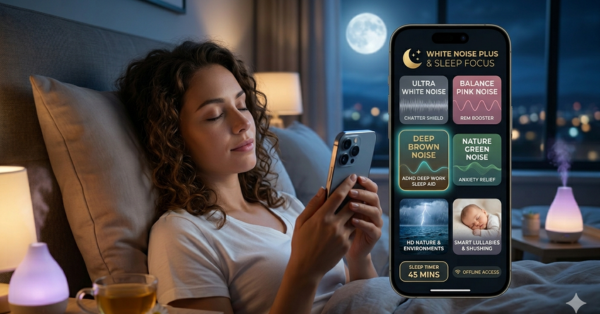
In an era of constant digital notifications, urban sprawl, and the non-stop hum of modern life, our auditory environment has become a battlefield. For millions of people, the simple act of falling asleep or maintaining focus at work has become a monumental challenge. Whether it’s the racing thoughts of an ADHD brain, the piercing ring of tinnitus, or the sudden wail of a newborn, our peace is constantly under siege.
Enter the world of color noise. While most people are familiar with White Noise, a new champion has emerged in the wellness and productivity space: Brown Noise. This bass-heavy, deep frequency is more than just background sound—it is a scientifically-backed tool for neural synchronization and sensory regulation.
In this exhaustive 2,000-word guide, we will explore the depths of sound therapy, the unique benefits of brown noise, and how tools like Brown Noise & Sleep Sounds + are changing the way we rest and work in 2026.
1. The Science of Sound: Understanding the Color Spectrum of Noise
To understand why brown noise is so effective, we must first understand what color noise actually is. In the world of audio engineering and psychoacoustics, the color of noise refers to the power spectrum of the sound signal.
What is White Noise?
White noise is often compared to the static of an old television or a radio tuned to a dead frequency. It contains all audible frequencies in equal intensity. While it is excellent for masking high-pitched sounds (like neighbor chatter or sirens), some people find it too hissy or sharp for long-term use.
What is Pink Noise?
Pink noise is a more balanced version of white noise. It has more energy at lower frequencies and less at higher ones. This makes it sound more natural, like the steady rustle of leaves or the sound of consistent rainfall. Studies have shown that pink noise can actually strengthen brain waves during deep sleep.
What is Brown Noise (Red Noise)?
Brown noise, also known as Red Noise, takes the low-frequency emphasis even further. It has a much deeper sound, similar to the low roar of a distant waterfall, a heavy thunderstorm, or the steady rumble of an airplane cabin.
Why is it called Brown? Contrary to popular belief, it isn’t named after a color, but after Robert Brown, the scientist who discovered Brownian motion. The random walk of particles in Brownian motion produces a sound profile that is incredibly soothing to the human nervous system.
The Rise of Green Noise
In 2026, Green Noise has become a trending topic on social media platforms like TikTok and YouTube. It is effectively the mid-frequency range of the natural world—think of it as the ambient frequency of nature. It is specifically useful for anxiety reduction and creating a zen environment for yoga or meditation.
2. Brown Noise and the ADHD Brain: Why It Works
One of the most significant breakthroughs in sound therapy over the last decade has been the application of brown noise for ADHD (Attention Deficit Hyperactivity Disorder).
Neural Synchronization and Dopamine
The ADHD brain is often described as being constantly seeking stimulation. This internal restlessness makes it difficult to focus on a single task, especially in a quiet environment where even the smallest distraction (a ticking clock, a hum from the fridge) can feel like a siren.
Brown noise acts as a stimulatory anchor. Because it is a consistent, low-frequency sound, it provides the brain with a steady stream of non-distracting input. This helps quiet the wandering thoughts and allows the prefrontal cortex to focus on the task at hand. Some researchers suggest that this steady auditory input may even stimulate the release of dopamine, the neurotransmitter often found in lower levels in ADHD brains.
Creating your Productivity Bubble
Many professionals and students now use Brown Noise to create what is known as a productivity bubble. By masking external distractions with a deep, bass-heavy roar, they create a consistent audio boundary that prevents the brain from hooking onto external stimuli.
3. Deep Sleep and the Battle Against Insomnia
Insomnia isn’t just about the inability to fall asleep; it’s about the quality of the sleep cycles once you drift off. Sudden changes in sound levels—a car door slamming outside, a dog barking—can spark a micro-arousal in the brain, pulling you out of deep REM sleep even if you don’t fully wake up.
The Power of Sound Masking
Brown noise is the ultimate sound masker. Because its frequencies occupy the lower end of the spectrum, it effectively hides the sharp spikes of urban noise. When you use a high-fidelity app like Brown Noise & Sleep Sounds +, you aren’t just listening to a loop; you are creating a protective barrier for your sleep.
Zero-Gap Looping: Why It’s Critical
Have you ever used a sleep app only to be jolted awake by a tiny click or a brief pause when the track restarts? That is a gap in the audio loop. Authentic sleep machines use Zero-Gap Looping technology. This ensures that the audio signal is continuous and seamless, preventing the brain from detecting a change in the environment.
4. The Nursery Revolution: Better Sleep for Babies and Parents
For new parents, sleep is a luxury. The search for the perfect baby sleep tool is a multi-billion dollar industry. However, the most effective tool is often the simplest: sound.
Womb Sounds and Heartbeats
A newborn’s environment for nine months was anything but quiet. The womb is a loud place, filled with the rhythmic thumping of the mother’s heart and the whooshing of blood flow. This is essentially nature’s version of white and brown noise.
The Shushing Technique: A Universal Calming Reflex
The Shush sound is a universal parental tool, but why does it work? It mimics the constant white noise of blood rushing through the mother’s arteries in the womb. Modern apps like [Brown Noise & Sleep Sounds +](https://play.google.com/store/apps/details?id=com.white_noise.baby_sleep.focus_sounds.relaxation_music.meditation_sound.deep_focus.bedtime_music) now allow parents to record their own shushing sounds or lullabies. This is a breakthrough in digital care—providing a sense of security even when the parent is in another room or even out of the house.
Womb Sounds vs. Traditional Lullabies
While soft piano lullabies are beautiful, they often lack the rhythmic consistency required to keep a baby in a deep sleep state. Womb sounds, heartbeats, and deep brown noise provide a steady audio blanket that masks sudden house noises (like a doorbell or a barking dog) that would otherwise wake a sensitive infant.
Custom Voice Recordings: The Ultimate Comfort Feature
One feature that separates premium apps from generic ones is the ability to record personal audio. For a baby, the sound of their mother or father’s voice is the absolute peak of comfort. By layering a personal lullaby over a steady track of brown noise or rain, parents can create a personalized soundscape that ensures longer, deeper sleep for their little ones. This feature is particularly useful for travelers or parents who transition their children into their own rooms.
5. Tinnitus Relief: Finding Silence in the Noise
Tinnitus—the persistent ringing, buzzing, or hissing in the ears—affects over 15% of the global population. For many, the silence of a quiet room is actually the loudest and most distressing time of day.
Tinnitus Masking vs. Habituation
Sound therapy for tinnitus works through two primary mechanisms:
- Masking: Providing an external sound that covers up the internal ringing, providing immediate relief.
- Habituation: Training the brain to ignore the tinnitus signal over time by providing a consistent, non-threatening background sound. This is also known as Tinnitus Retraining Therapy (TRT).
Why Brown Noise is Preferred for Tinnitus
Because brown noise is deep and non-intrusive, it is often preferred over the sharpness of traditional white noise for tinnitus sufferers. It provides a more comfortable, pillowy background that makes the ringing less noticeable without adding new hiss to the environment. The adjustable volume controls in modern sleep apps allow users to find the exact mixing point where the brown noise meets the tinnitus signal, creating a state of auditory equilibrium.
5.5 ASMR and Relaxing Textures: The Sensory Layer
Beyond the typical digital noise, the world of ASMR (Autonomous Sensory Meridian Response) has introduced a new layer of sound therapy. Textures like crinkling paper, soft whispers, or rhythmic tapping can trigger a physical tingling sensation that significantly reduces heart rate and invites relaxation. By mixing these ASMR textures with a base of brown noise, users can create a hyper-personalized relaxation experience that addresses both cognitive and physical stress.
6. Travel, Remote Work, and Modern Stress
In 2026, our work and life boundaries have blurred. We work from home, we travel as digital nomads, and we live in increasingly dense environments.
The Travel Companion
Staying in a hotel room often means dealing with thin walls, humming elevators, and unfamiliar city sounds. A portable sleep machine in your pocket is an essential travel item. Apps with Offline Mode are particularly valuable here, allowing you to maintain your sleep routine on long flights or in remote areas without internet access.
Remote Work Boundaries
When your office is also your living room, external distractions like a loud neighbor or a delivery truck can ruin your concentration. Using deep focus music and brown noise helps create a professional auditory environment anywhere.
7. The No-Subscription Movement: Why It Matters
One of the most common complaints in the 2026 app market is Subscription Fatigue. Users are tired of being charged monthly for basic wellness tools.
The rise of apps that offer Premium Features with No Subscription is a response to this demand. Users want a one-time investment in their health. By choosing apps that offer offline access, no ads, and no recurring fees, users are reclaiming control over their digital wallets and their data privacy.
8. FAQ:
Is Brown Noise better than White Noise for sleeping?
While white noise is effective, Many users find brown noise superior for sleep because its lower frequencies are less sharp and more closely mimic natural sounds like thunder or a distant roar, making it easier for the brain to tune out.
How does Brown Noise help with ADHD focus?
Brown noise helps with ADHD by providing a consistent auditory stimulus that quiets the inner restlessness of the brain. It creates a steady background that prevents small external sounds from breaking concentration.
Can Brown Noise stop a baby from crying?
Yes, especially when used with a Shushing rhythm or womb sounds. The low-frequency rumble mimics the sound environment of the womb, which naturally triggers a calming response in infants.
Is there a free app for Brown Noise without ads?
Yes, apps like Brown Noise & Sleep Sounds + offer a completely ad-free, no-subscription experience with high-fidelity sounds designed for offline use.
8.5 The Science of Sleep Phases and Brown Noise Synchronization
To truly appreciate the value of consistent sound masking, one must understand how our brains cycle through sleep. A typical night consists of 4-6 cycles, each lasting about 90 minutes. These cycles transition between light sleep, deep sleep (slow-wave sleep), and REM (Rapid Eye Movement).
Deep Sleep (Slow-Wave Sleep)
This is the most restorative phase of sleep, where the body repairs tissue and the brain flushes out toxins. Sudden external noises during this phase can pull you out of deep sleep into a lighter stage without you even knowing it. By maintaining a constant, low-frequency roar of brown noise, you effectively raise the noise floor of the room. This means that a car alarm or a neighbor’s shout is much less likely to cross the threshold required to alert your brain.
REM Sleep and Dreaming
REM sleep is when we process emotions and solidify memories. It is also when our brains are most active and sensitive to environmental changes. Consistency is key here. The seamless, Zero-Gap Looping found in the Brown Noise & Sleep Sounds + app ensures that your brain remains in a rhythmic lock with the audio environment, allowing for undisturbed dream cycles and better emotional regulation the next morning.
8.6 Real-World Scenarios: How Users Leverage Sound Therapy
The Commuter’s Bubble: Focus on a Train
Imagine you are a developer working on a laptop on a crowded train. The sounds of announcements, chatter, and track friction are constant. By using a pair of noise-canceling headphones combined with a heavy thunderstorm and brown noise mix, you create a private audio office. This allows you to enter a state of flow that would otherwise be impossible in a public space.
The Hotel Shelter: Sleep in Unfamiliar Cities
Travelers often struggle with First Night Effect, where the brain remains hyper-vigilant in a new environment. Bringing your own familiar sound machine (on your phone or tablet) signals to your brain that the environment is safe. The steady, predictable hum of a box fan or air conditioner track creates a sonic anchor that makes even the most unfamiliar hotel room feel like home.
The Creative Sanctuary: Writers and Artists
Many creative professionals find that total silence is actually intimidating (the blank page syndrome). A light mix of green noise (forest sounds) and low-frequency pink noise provides just enough sensory input to keep the monkey mind busy, allowing the creative subconscious to take the lead.
9. Conclusion: Your Journey to Better Sound
The auditory world of 2026 is louder than ever, but you have the power to curate your own soundtrack. By understanding the science of color noise and utilizing professional tools, you can transform your bedroom into a sanctuary, your office into a productivity powerhouse, and your nursery into a zone of peace.
Don’t let the noise of the world dictate your mental state. Take control of your auditory environment today.
Download Brown Noise & Sleep Sounds + and start your journey to deeper sleep, sharper focus, and total relaxation.